


Sensory-considerate 3 min read
Serve sauces on the side without making dinner complicated
In this guide

Serving sauce separately gives each person a straightforward choice about flavor and texture. It does not require cooking a second meal. Plan one point in the recipe where you can set aside a portion before adding the finishing sauce.
Identify the finishing step
Read the recipe before you start and distinguish a finishing sauce from the liquid used to cook the food. A dressing added to a plate is easy to offer separately. A broth needed to cook grains cannot simply be removed without changing the recipe.
When separation is practical, reserve the portion before the final toss. Keep the reserved food and the sauce easy to identify. Use a clean serving utensil for each so diners can add what they want without accidentally mixing the shared containers.
Choose a container that matches the sauce
A small bowl is the simplest option for a thick dip or a sauce with pieces. A squeeze bottle can make a smooth dressing easier to add in a little line or a small amount. Pick the tip opening for the consistency rather than forcing a chunky mixture through it.
Try filling the bottle with a small quantity first. Check how much pressure produces a manageable stream and whether the lid stays conveniently out of the way. The goal is a comfortable serving action, not a perfect restaurant pattern.
- Use a bowl for sauces with chunks.
- Offer a small spoon with an open bowl.
- Keep the container within easy reach.
Make the choice clear at the table
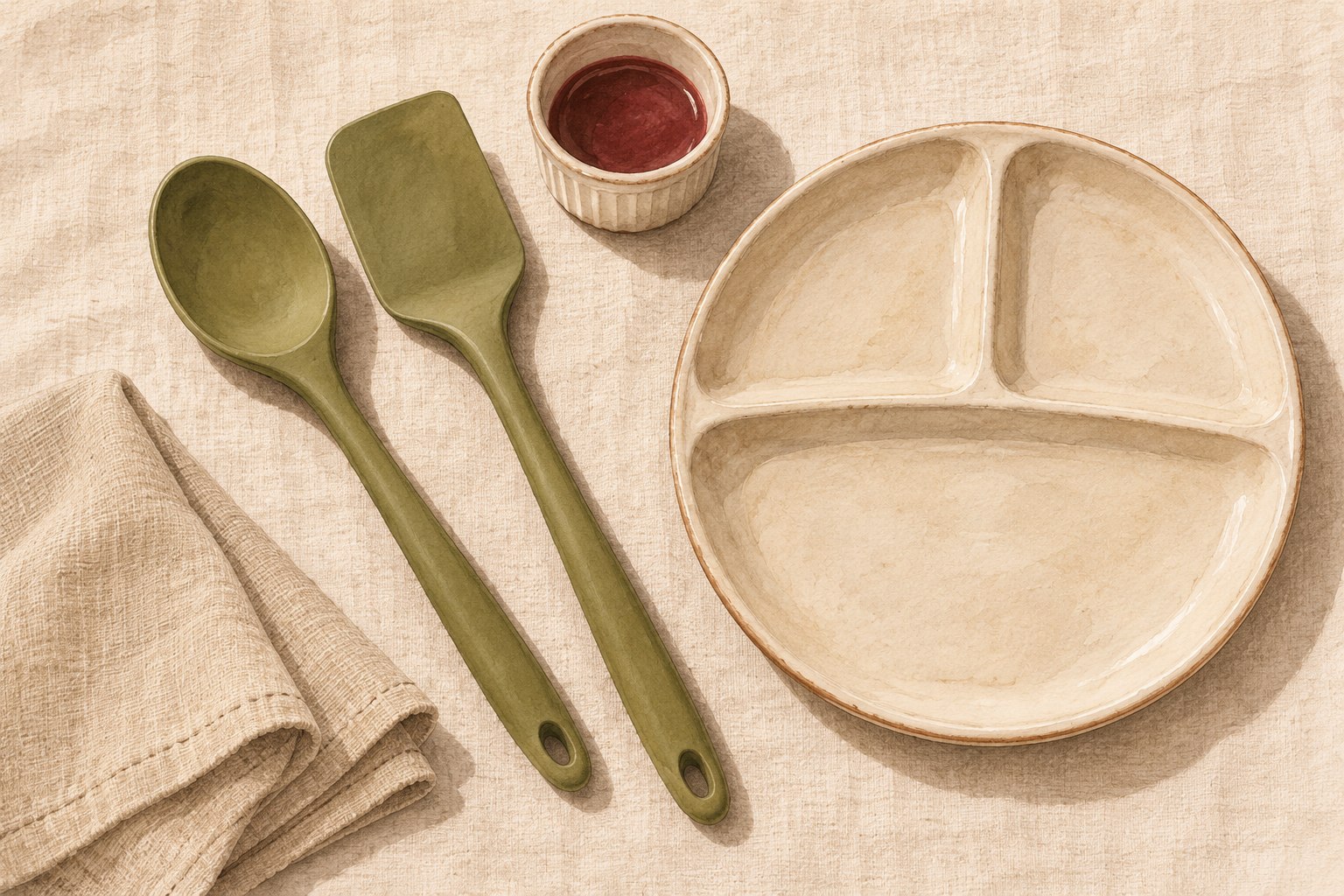
Say what is in each container and which foods are plain. Avoid adding a surprise drizzle after someone has arranged their plate. If several sauces look similar, use a simple written label or place them in a consistent order.
Start with modest amounts on the table and refill when needed. Keeping the serving setup compact leaves room for plates and hands. After the meal, follow the sauce recipe's storage guidance rather than assuming the serving bottle changes how it should be stored.
Tools to consider
The two tip widths offer options for adding smooth sauces or dressings in chosen amounts.
Consider before buying: A wider tip still may not pass chunky sauces; test the actual consistency.
Small separate containers can stage toppings and sauces before serving.
Consider before buying: Prep bowls are not automatically sealed storage or lunch containers; use them for the job described.
A few practical questions
Do I need several different sauces?
No. One familiar sauce and a plain portion may be enough. The useful part is the option to add it, not the number of choices. Too many containers can make an otherwise simple table feel crowded.
Put it to work
Lemon-herb chicken & potatoes · Garlicky mushrooms on toast · Warm apple & oat crumble
Product information & sources
Recommendations are based on published product specifications and practical fit for the task. Check the exact model, seller, dimensions and care instructions before ordering.
Pinterest image
Keep this guide close for your next kitchen project.
